
52Т. Cornflowers [1908-1910]
The photos of the lot are informative and indicative, and cannot provide a highly detailed view of the object from all angles. We recommend a careful physical inspection of the lot before bidding.
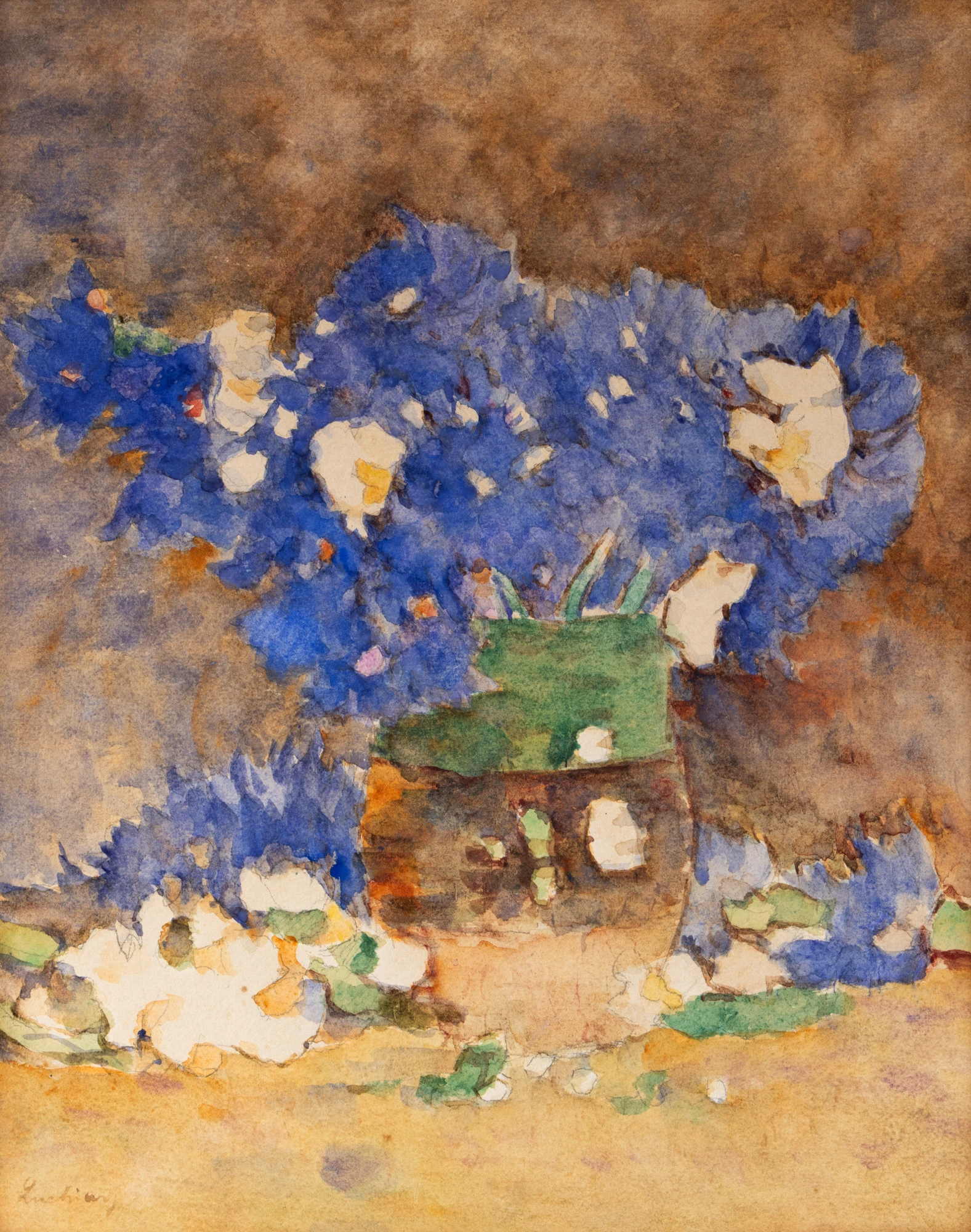
52Т. Cornflowers [1908-1910]
References
CIOFLEC, Virgil, "Luchian", Ed. National Culture, Bucharest, 1924 COMARNESCU, Petru, "Luchian", State Ed. for Literature and Art, Bucharest, 1955 COMARNESCU, Petru, "Luchian", Ed. Youth, Bucharest, 1965 ENESCU, Teodor, "Ştefan Luchian: Painting. Pastel. Watercolor. Drawing", Romanian Cultural Institute, Bucharest, 2007 JIANU, Ionel, "Luchian", Ed. Arts Home, Bucharest, 1947 LASSAIGNE, Jacques, "Ştefan Luchian", Ed. Meridians, Bucharest, 1972
watercolor on paper glued on cardboard, 38 x 32 cm, signed lower left, with brown, "Luchian"
Research information
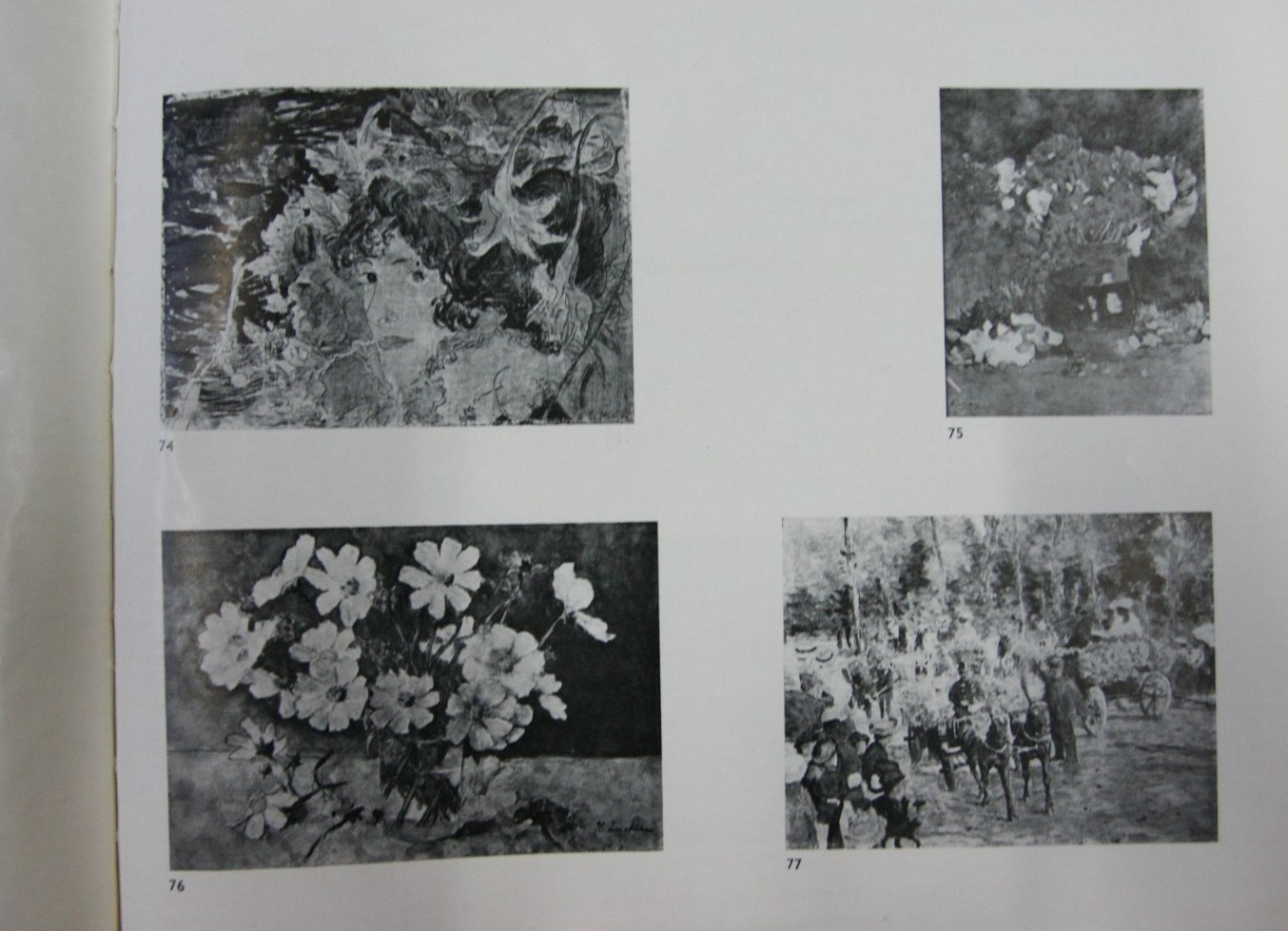
The artwork participated in the retrospective exhibition Stefan Luchian, Art Museum of the Romanian People's Republic, Bucharest, 1957, cat. 225, catalog by Theodor Enescu, Radu Bogdan. The artwork was part of the exhibition "Flowers in Stefan Luchian's painting", a commemorative exhibition marking 50 years since the artist's death, Art Museum of the Socialist Republic of Romania, Bucharest, 1966 and is reproduced and mentioned in the exhibition catalog at cat. 75., pages 80-81. The artwork is reproduced in the Critical Catalog Stefan Luchian, Theodor Enescu, ICR, Bucharest, 2007 on page. 432., cat 9. Participation label in the exhibition "Stefan Luchian", Art Museum of the Romanian People's Republic, Bucharest, July 16-November 10, 1957, cat. 225. Participation label in the exhibition "Stefan Luchian", Art Museum of the Socialist Republic of Romania, Bucharest, 1967, cat. 75. Participation label in the exhibition "Masterpieces of the interwar Romanian painting in private collections", National Museum Cotroceni, Bucharest, 1997. Participation label in the exhibition "Flowers in Romanian painting from private collections", National Museum Cotroceni, Bucharest, November 3-December 15, 2004.
PROVENANCE
The collection of the family of the banker Max Schapira (? - 1921), philanthropist, patron, founder of the Romanian oil industry; Max Schapira was one of the most important businessmen in Ploiești in the years 1890-1920, being the founder of the Central Bank in Ploiești, founder of the Astra Refinery and vice-president and administrator of the "Creditul Petrolifer" Society; in the '50s the work belonged to the pianist Ghitta (Gita) Mendel Shapira, Max Schapira's daughter-in-law. Gita Schapira, a concert pianist in the interwar period was, among other things, a sonata partner of George Enescu during 1930-1945; the collection of the painter Gh. Vânătoru (1908-1983); private collection.
For clarifications regarding the bidding procedure, hammer price costs, guarantee, payment, and collection terms for the winning lot, we recommend carefully reading/re-reading the Bidding Regulations.
For additional information regarding the lot and the auction, please contact the Art Consultants Department.